Channel 4 has acquired South African detective drama The Cane Field Killings, starring Kim Engelbrecht (Bullet Proof, The Flash, Eye in the Sky) and Iain Glen (Game of Thrones, Downton Abbey). The eight-episode series, which launched last year to rave reviews in South Africa, will launch on Channel 4 on 10th April 2022 at 10 pm. All episodes will then be available on All 4.
The Cane Field Killings tells the story of a brilliant criminal profiler, Reyka Gama (Engelbrecht), who is struggling to come to terms with her dark past. Having been abducted as a child by farmer Angus Speelman (Iain Glen), Reyka now channels that traumatic experience to enter into the mindset of Africa’s most notorious criminals. The series follows her investigation into a string of brutal murders committed by a serial killer in the sugar cane fields of Kwa-Zulu-Natal.
20 years on from her abduction, the manipulative, charming Speelman still exerts a powerful hold on Reyka, and this relationship, together with the one she is struggling to rebuild with her mother Elsa forms the backbone of the story. The series takes viewers into a tropical world of stifling heat and dangerous wildlife, ruled by a criminal underworld and characterised by shadowy political manoeuvring.
Nick Lee, Channel 4’s Head of Acquisitions, said: “The Cane Field Killings is a striking crime drama with a compelling lead character and a deep sense of place. It’s a rarely told South African perspective on a detective story which brings together fascinating historical and contemporary themes and which we’re thrilled to bring to British audiences on Channel 4 and All 4.”
Produced by Serena Cullen (Four Lives, BBC One)for Serena Cullen Productions and Harriet Gavshon for Quizzical Pictures. The Cane Field Killings is a co-production between M-Net and Fremantle and is distributed internationally by Fremantle. The series was created by Rohan Dickson and executive produced by Jan du Plessis, Yolisa Phahle Allan Sperling, Harriet Gavshon and Serena Cullen.
If you’re an F1 fan and you watched the first race of the season in Bahrain, you will no doubt have noticed there’s a new chick on the SKY presenters block with a distinct South African accent. Naomi Schiff is no stranger to the fast track. At the age of 11 she hopped into a go-kart for the first time and by 17 years old Naomi was representing South Africa at the Super Rok class in Italy.
She boasts a successful motorsport career beginning with Formula Vokswagen South African Championship in 2010, the Clio Cup China Series, KTM X-Bow GT4 and the W Series. It is safe to say this chick knows her stuff.
Now at 27, this sassy racing driver, presenter and stunt driver has joined the Sky Sports F1 team as well as co-hosting a new Sky Sports show on YouTube every monday after each race.
Her mother is Rwandan, her father Belgian, he incidentally was a Formula Ford champion back in his day. Naomi, who is now based in London lived in South Africa from the age of 4 and says she is after all proudly South African.
Naomi took to Instagram after the race weekend stating, “What a Jol!”
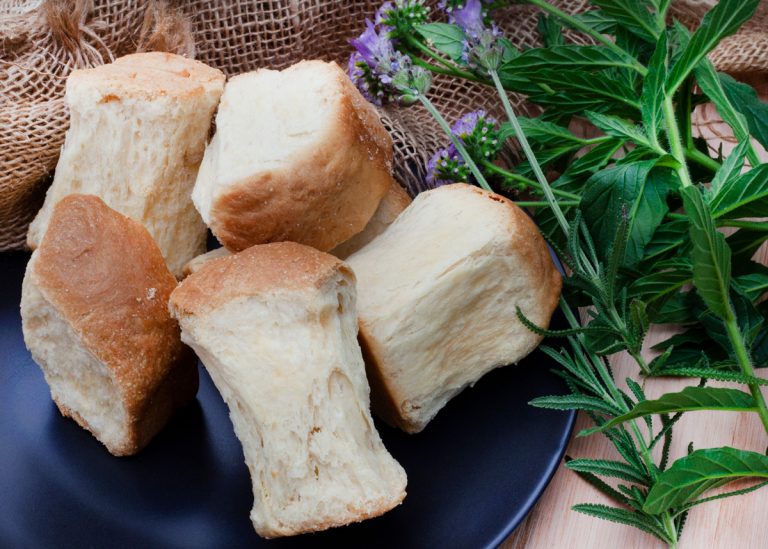
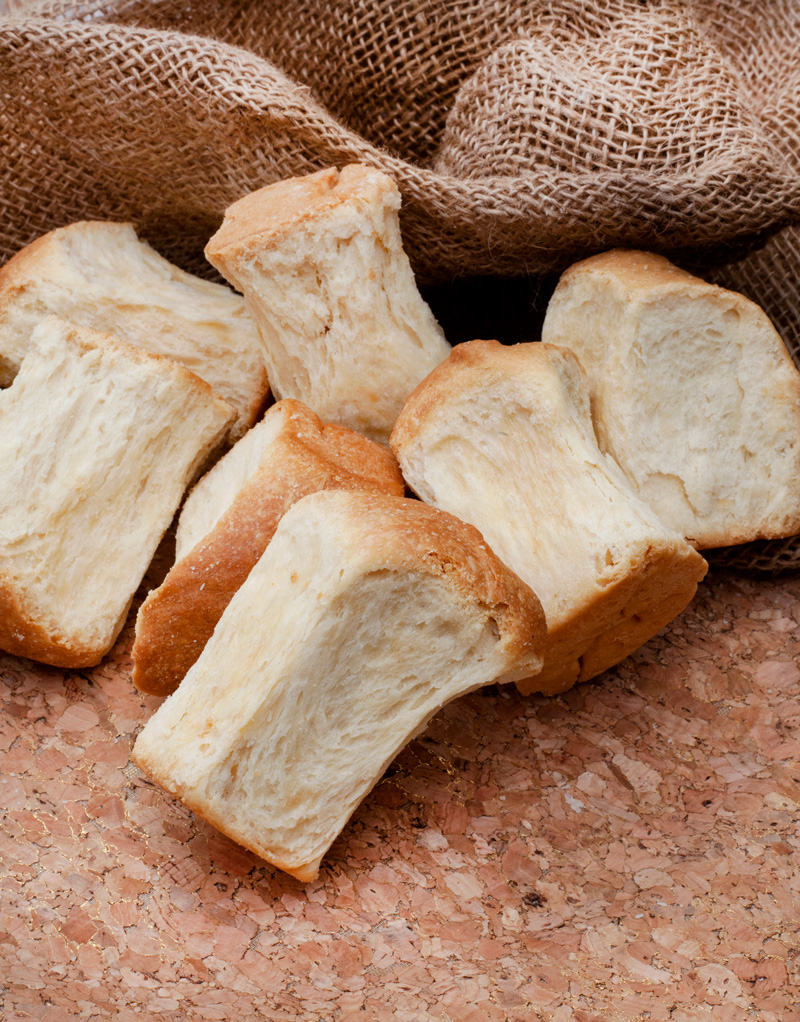
Mosbolletjie bread is a South African staple bread that holds all the comfort of a warm brioche combined with the local flair and flavour of the Cape Winelands. Mos – or rather grape in English – is the primitive raising agent at the foundation of this recipe. Derived from the grape juice in the first stage of fermentation before it is strained for wine it is an excellent example of how the ingenuity and zero-waste ideals of our heritage cooks can produce scrumptious results.
Confectionery connoisseur, dame of deliciousness and intrepid entrepreneur – Grace Stevens an award-winning TV chef, guest judge on The Taste Master SA – shares her top secrets to creating superbly fluffy Mosbolletjies:
The proof is in the patience
The humble bread baker is amongst the most underrated of culinary professionals. Often up long before dawn, the profession requires those with a special appreciation for the gentle – if often sensitive – development of live ingredients such as yeast. I have always been fascinated with yeast and its transformative potential to develop both flavours and my patience. When it comes to Mosbolletjies, it is worth taking a page from the baker’s metaphorical recipe book and remember not to rush the proving process. If you are able to restrain yourself, this recipe will reward your patience with the softest, tender crumb. And you will find that the time it takes for yeast to develop also makes a special allowance for you to experiment and indulge in the creative process.
Bake fresh and make your family’s morning
Few things are quite as homely as the smell of bread wafting through the passageway on a crisp Sunday morning. My family and I find the best way to enjoy Mosbolletjies is warm from the oven, around the breakfast table, with lashings of slowly melting butter.
To achieve this, simply do a second proving overnight in the fridge and bake fresh in the morning. The structure of the bread makes it ideal for tearing off a piece to pass around the table until everyone’s tummies and hearts are full of fluffy delight.
Leftover mosbolletjies that are dried in the oven overnight also make for excellent rusks and bring back memories for me of early morning easter road trips.
Appetising Aniseed
Aniseed has a glorious sweet, fragrant aroma with a warm liquorice flavour that brings the vibrance of our Cape Malay heritage to this often Afrikaaner bread. However, if the taste of aniseed isn’t your idea of delicious, you may leave it out. I have had the privilege of many farmer’s wives taking me under their wing and confiding in me their tried and trusted techniques. Proudly, many of them make this recipe often using the must from their husband’s grapes. Stating confidently that it is the only guarantee to getting the ultimate flavour. For those of us not lucky enough to be married to winemakers, 150ml of sparkling grape juice will have to be substituted – though it is worth asking on your next wine tasting brunch if the farm does bottle and sell most just after the grape harvest season which usually happens from late summer onwards.
Although the process of proving and rolling this dough on a Saturday afternoon may seem daunting to some of us, you need not do all the work alone. My children, the youngest of which likens the soft squishy texture of the dough to playdough, and I have delighted many hours in the rolling of these soft spheres. Be it around a floured table or a jubilant Sunday breakfast, this recipe has the ability to bring the family together through the brilliance of butter and laughter. And that makes it one of my all-time favourites.
Method: 1. Place the flour, sugar, aniseed seeds, salt and butter in a large bowl. 2. Mix the yeast with the milk and stir well. Add the egg yolk. 3. Rub the butter into the dry ingredients until it is well combined. 4. Add the remaining ingredients and mix well. 5. Turn out onto a floured surface and knead well about 10 minutes. 6. Cover the dough with a damp cloth and allow to double in size. 7. Prepare a loaf tin by greasing the inside. 8. Knock the dough back and divide into 16 pieces. 9. Roll each piece into a ball and place it into the loaf tin in two rows. 10. Leave to prove until doubled in size. 11. Heat oven to 180C. 12. Bake for 25 to 30 minutes. 13. Remove tin from the oven. 14. Combine milk and sugar for glaze and boil until thick. 15. Brush glaze onto warm mosbolletjies.
Snake Man, Jason Arnold was recently called out to the beautiful area of Inanda in KZN to remove a python that was chilling in a cage with goats and chickens.
A family from the rural area of Inanda went to open the cage for their goats and chickens and discovered a python in the cage with a full belly, it had eaten one of their chickens.
The python was later released by Jason safely into the wild. He does not charge to assist low income families in these rural areas.
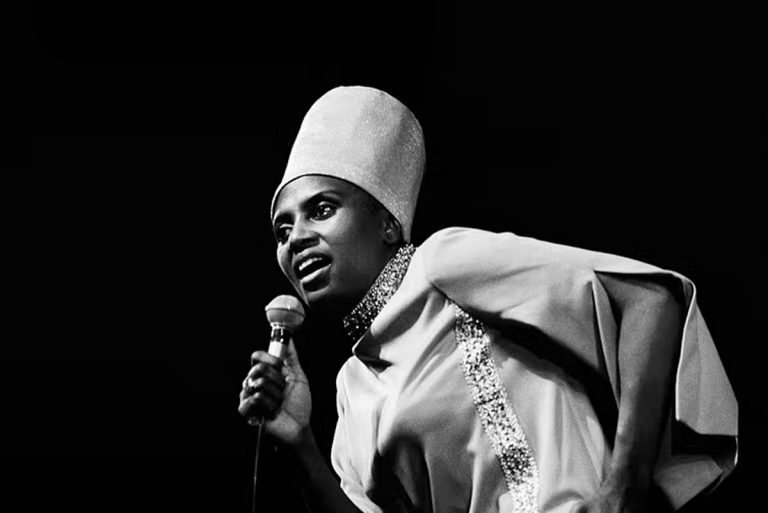
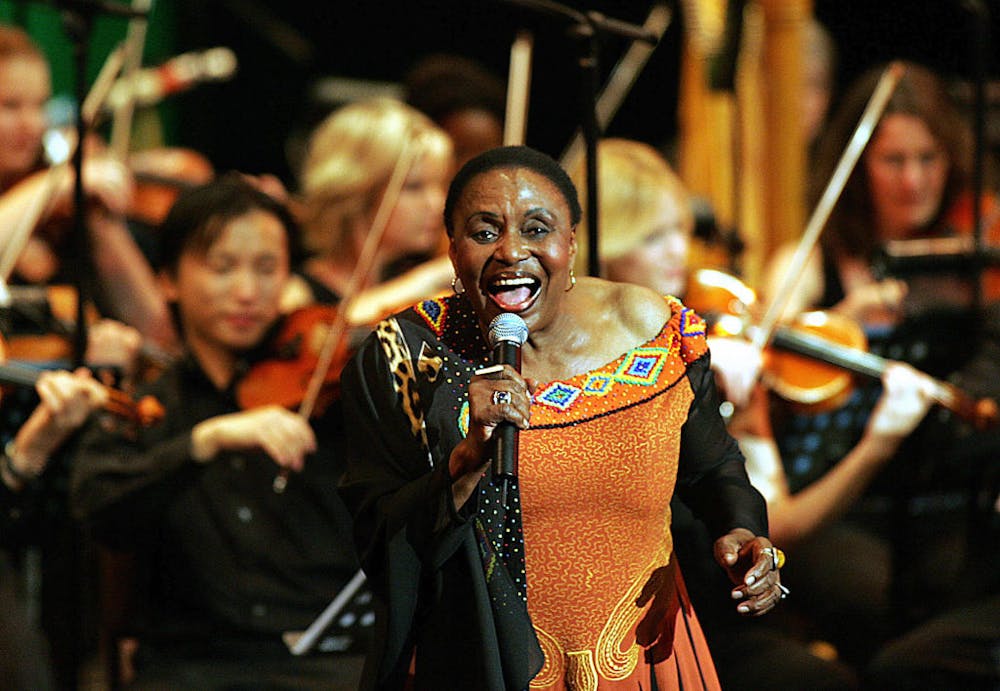
South Africa’s world famous singer and activist Miriam Makeba (1932-2008) would have turned 90 on 4 March 2022. Born Zenzile Miriam Makeba in Johannesburg’s Prospect township, she had a life of remarkable global impact. She contributed to black people’s struggle for liberation and defended the integrity of African identity and artistry while living in a land absent of her ancestry.
Despite being banned from her home country for her outspokenness and resistance to apartheid, Makeba went on to build an illustrious international career, performing on some of the world’s most prestigious stages. She would be celebrated – and persecuted – in the US and invited to perform at the independence celebrations of numerous African countries before eventually returning to South Africa later in life.
In commemorating what would have been Makeba’s 90th birthday, it is fitting to pay tribute to her legacy of activism not only as a black African woman often living in exile in a western society but also as an artist who used her craft to teach and conscientise the world about Africa.
Early years
Her musical beginnings in the 1940s were at Kilnerton College, a Methodist elementary school where she sang in the school choir. The school’s alumni include South Africa’s former chief justice Dikgang Moseneke, Professor Khabi Mngoma, a hugely influential figure in music education, as well as struggle icon Lilian Ngoyi.
Makeba’s break into the professional circuit was with the singing group the Cuban Brothers. She later joined the well-established Manhattan Brothers. They sang vernacular verses over what was a predominantly American swing and ragtime sound. https://www.youtube.com/embed/VDFznqweUTQ?wmode=transparent&start=0 Trailer for Come Back Africa.
She was a founding member of the famous all-woman singing group the Skylarks. In 1952, she was cast in Alf Herbert’s African Jazz and Variety production showcasing black talent. It was presented mainly to white audiences except on Thursdays when black audiences were allowed. This is where film producer Lionel Rogosin spotted Makeba and persuaded her to feature in his controversial documentary film, Come Back Africa.
This film depicted the harsh conditions under which black South Africans were forced to live by the apartheid government. Makeba’s short appearance attracted attention, including an invitation to attend the film’s premiere in Italy. Naturally, she agreed, never imagining that because of her role in the movie she would be banned by the apartheid state from returning home, not even to bury her own mother. This marked the beginning of her exile.
Her artistry extended beyond the stage, beyond her impeccable vocals and her sophisticated interpretations of international and South African repertoire. Her very presence in the United States stood as a form of activism against the apartheid government who had attempted to silence her and erase her from the consciousness of her people.
Makeba’s life in the US coincided with the parallel experiences of black people in America and South Africa suffering immense injustice, marginalisation, racism and inequality. Like the struggle against apartheid in South Africa, the Civil Rights Movement in the US was a vehicle through which black Americans protested. Academic Barber-Sizemore describes Makeba’s voice as being “a surface onto which Americans projected their own narratives about Africa and American race relations”.
Her artistry, always informed by the circumstances in South Africa, served as a razor-sharp awareness tool. In journalist Gwen Ansell’s book Soweto Blues, the late Hugh Masekela concurs that
There’s nobody in Africa who made the world more aware of what was happening in South Africa than Miriam Makeba. This was because of the way in which she described the songs…unwittingly she educated African American artists.
Makeba would describe life in apartheid South Africa when introducing her songs and would use every opportunity to address inequality. As analysed by academic Louise Bethlehem, Makeba’s work resisted the apartheid state’s threat to dismantle the very place of African art and culture in the world.
African Americans saw in Makeba not only what they were but also the possibilities of what they could become, expressed through song, dance, dress, language and ideology. Makeba found commonality with artists such as Nina Simone and Abbey Lincoln, who historian Ruth Feldstein referred to as “an emergent collective of black women performers who combined their music with civil rights activism”. https://www.youtube.com/embed/zz-n2cQ2ex8?wmode=transparent&start=136 Mama Africa the documentary.
Aesthetic as activism
What I appreciate most about Makeba is the way in which she not only embraced but leaned into her sexuality and sensuality. The way she moved her body on stage was often provocative, drawing the audience into her world. She understood acutely the power of her black body and its curvature.
Her aesthetic of natural hair and minimal make up (if any at all) communicated eloquently her strong sense of self, rooted in her African identity free from the expectations of western notions of beauty and acceptability.
In remembering Makeba, we must guard against confining her activism to the anti-apartheid speeches she delivered at the United Nations in 1963 and 1976. Her activism was far more nuanced than that. It was interwoven in her music, her delivery of melodies, lyrics and artistic sentiment. Her artistry was a lantern that burnt vigorously through one of the darkest eras in history.
A legacy spanning generations
Kenyan author Ngũgĩ wa Thiong’o, believes that Africans singing in their native language is an international act of decolonisation and a marker of Pan African identity. Academic Aaron Carter-Enyi acknowledged Makeba’s influence on other African singers to sing in their mother tongues. Like Benin’s Angelique Kidjo who sings in Yoruba, Mali’s Oumou Sangare who sings in Mandinka and Nigeria’s Onyeka Onwenu who sings in Igbo.
Makeba performing in Johannesburg in 2005. LEXANDER JOE/AFP via Getty Images
Makeba’s influence transcends generations to reveal itself in contemporary cultural practices. We are because she was. Makeba’s legacy is too often suffocated by the complexity surrounding her intellectual property as well as her relationships with the men in her life.
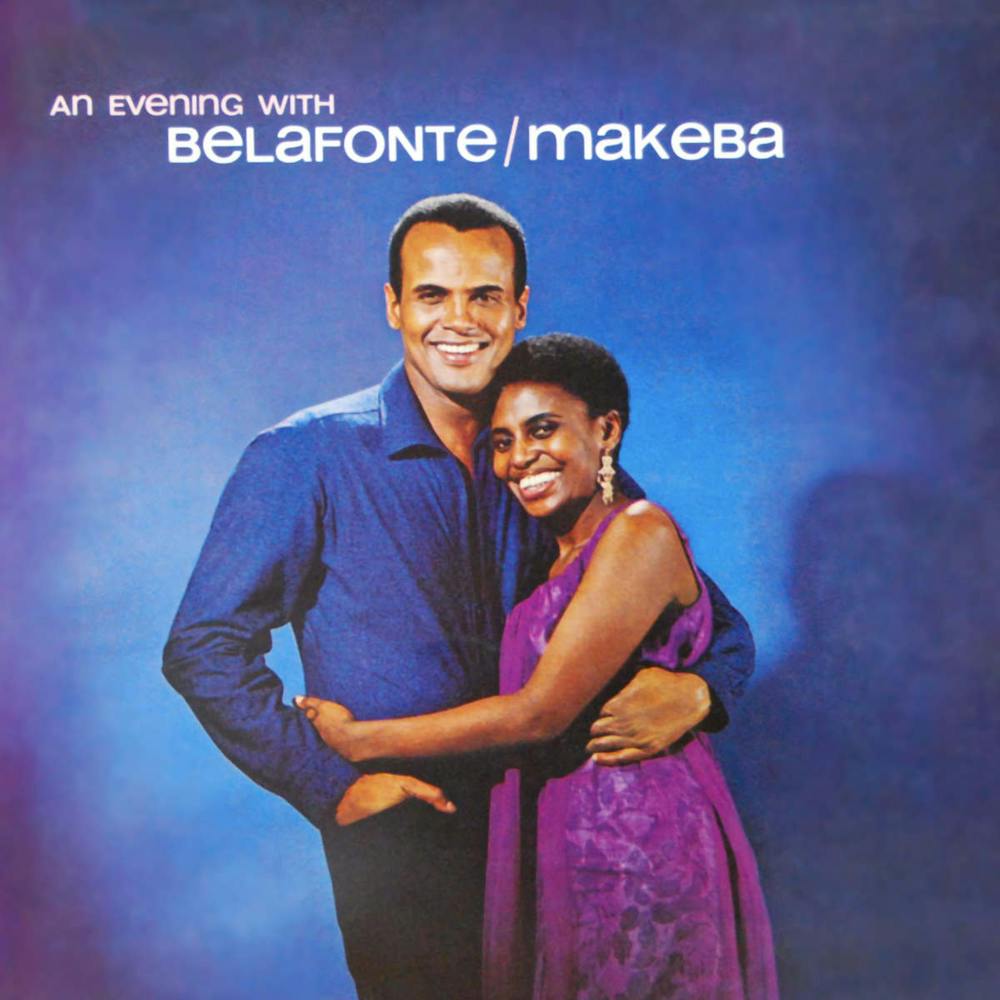
Makeba was not just the wife of musician Masekela or Black Panther leader Stokely Carmichael. She was not Belafonte’s “discovery from South Africa”. She arrived in America a consummate professional fit for purpose.
The role of these male figures in Makeba’s life may have been meaningful but it is also grossly overstated. Makeba’s legacy is strong enough to stand on its own two feet. Her name needs no co-anchor. She fought more with her “artivism” than many a man did with their armed weaponry.
It’s time to move beyond her widely-adopted nickname “Mama Africa”. Makeba was a stalwart and an icon of African liberation and identity. Her legacy carved the way for future generations to live a life of authenticity, fearlessness and bravery.
Highway codes are slightly different in the UK compared to South Africa. New rules were put in place in the UK on the 29th of January 2022 and you may face a hefty fine, jail time or possible penalty points if you don’t adhere to the new Highway Code.
There is a new Hierarchy . . .
Pedestrians Cyclists Horse riders Motorcyclists Cars including taxis Vans including minibuses Trucks and heavier vehicles
Take Note Pedestrians and cyclists have more priority and you will now need to give way to pedestrians at junctions.
If there is slow-moving traffic you should also allow a pedestrian to cross.
Cyclists can ride in the centre of the road in low traffic areas and you should allow at least 1.5 metres when overtaking at speeds up to 30mph.
Big No No’s Never invite a pedestrian to cross the street by waving, hooting, flashing lights or revving your engine.
Don’t touch your cellphone . . . EVER!
The 2022 Highway Code rules now enforce a fine, plus you could be blocked from using apps on your phone like gaming and taking pics.
Rule 239 “Where you are able to do so, you should open the door using your hand on the opposite side to the door you are opening; for example, use your left hand to open a door on your right-hand side.
Tip Unmarked vehicles are common all over the UK including the back streets, highways and byways. Don’t think you are ever above the law.
Follow the official Highway Code Facebook page to keep updated and be in the know.
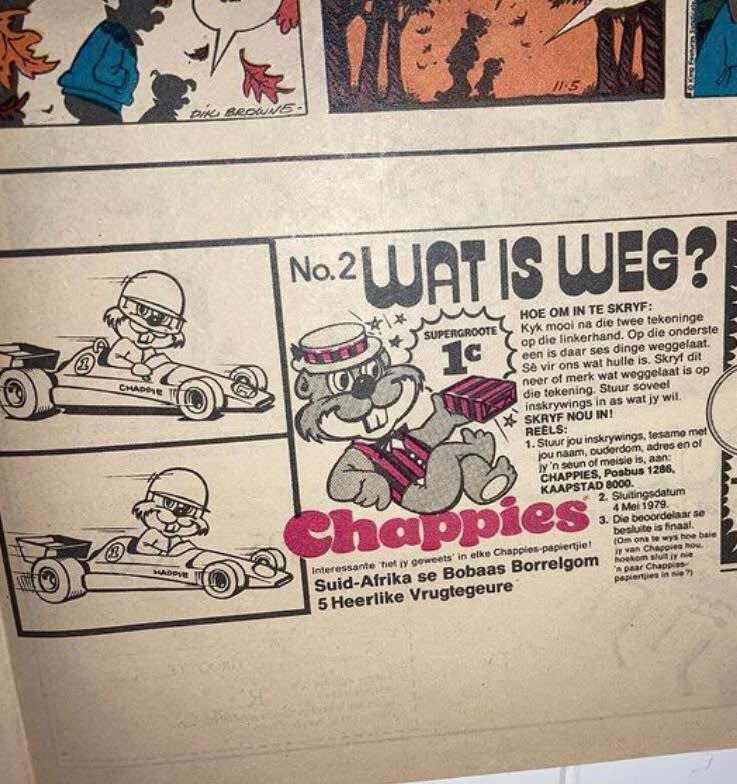
In the mid-1930s and fresh out of school, Arthur Ginsberg started working at the Chapelat Sweets factory, a short walk from his home in Troyeville, Johannesburg.
At night he studied for his BComm degree at Wits University and by the late 1940s he had worked his way up to head of sales and marketing.
The Chapelat factory produced a wide range of confectionery, from expensive chocolates to cheap toffees, their biggest client being OK Bazaars until the popular shopping store bought Turnwrights, a confectionery supplier which left Chapelat with a big financial gap to fill, they needed new revenue and new products.
Ginsberg researched the market. “I noticed that Wicks bubble gum was selling at a penny each. I wondered about making a gum that sells two for a penny.”
They experimented with a bubble gum base from the US, added a few additives, colourants and sugars and Chappies was born, the name an abbreviation of the company name Chapelat.
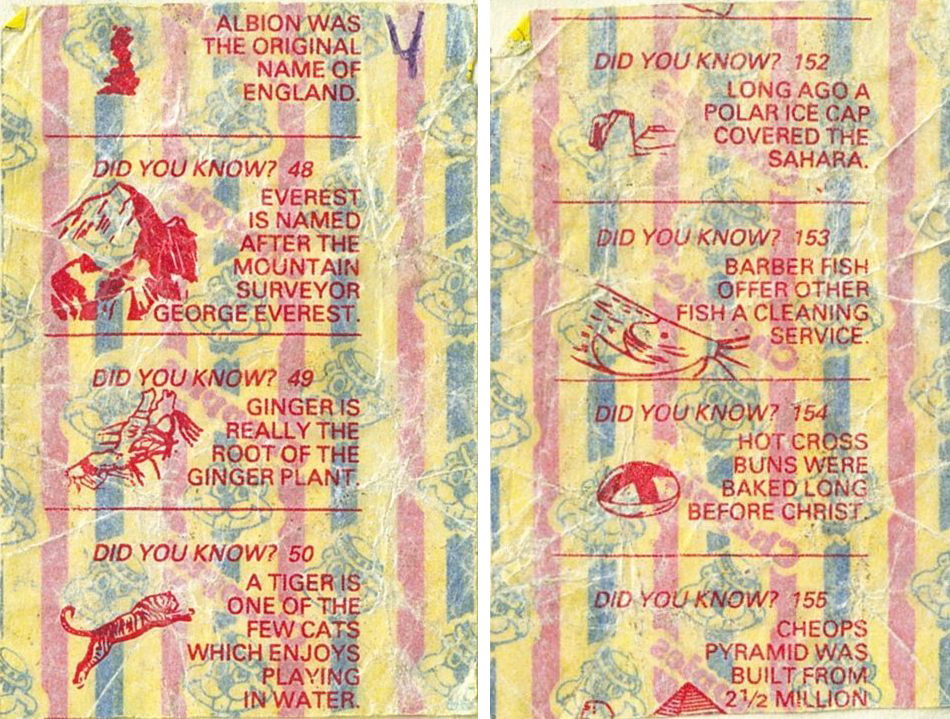
Ginsberg was a great believer in marketing and advertising and decided to make the new brand attractive to children by adding 4 did you know questions on the inside of the wrapper. All the initial questions came from the Springbok Radio show, Three Wise Men, and later academics from Wits University compiled more.
Arthur Ginsberg was also the first person to take advertising in the form of a cartoon in the Sunday Times every week promoting Chappies.
By the late 1970s Chappies was a popular brand and household name and in 1989 they officially sold to Cadbury’s who still own the brand to this day.
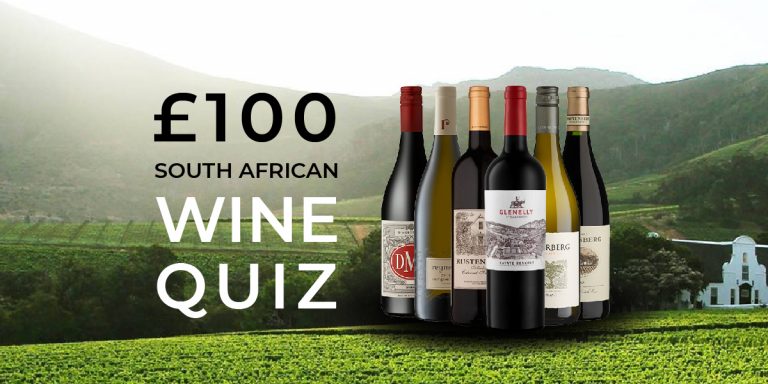
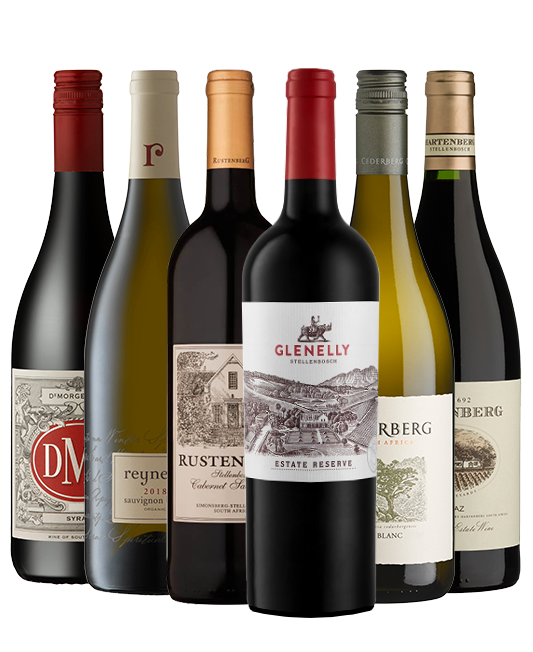
How much do you know about South African wine? Put your wine knowledge to the test and stand a chance to win a mixed case of wine in the new quiz from RAKQ.
RAKQ, founded in 2020 by South African expats and wine enthusiasts Sebastian Rezek and Matthew Appelbaum, is a speciality retailer on a mission to champion premium South African wine in the UK. With intimate knowledge of the winelands, they carefully select only the best wines for their South African Wine Club, online shop and tasting events.
The Prize
Click here to take the quiz and sign-up for the chance to win six bottles worth £100 from RAKQ’s Premium Wine Club package for February.
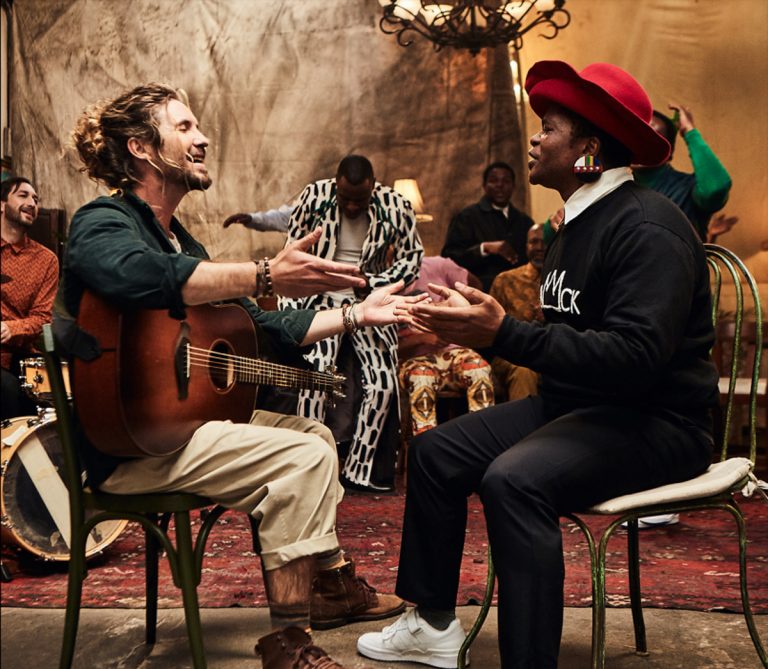
The song spent 20 weeks on the charts and was released in September 2021.
JEREMY LOOPS – THIS TOWN FT. LADYSMITH BLACK MAMBAZO
This Town Lyrics [Intro: Ladysmith Black Mambazo] Impilo yami, umculo wami, mina Impilo yami (Impilo yami) Umculo wami Umculo wami, mina (Umculo wami) Impilo yami Impilo yami, umculo wami, mina Impilo yami (Umculo wami) Umculo wami
[Verse 1 : Jeremy Loops & Ladysmith Black Mambazo] I’ve been walkin’ for days and days, listenin’ to you You keep on hummin’ the same old tune Impilo yami (Umculo wami), umculo wami All of the things that you’ve been through Match the scars on your face like tattoos Impilo yami, hey bo! (Umculo wami) Umculo wami In a couple of days, we could be gone Leave with nothin’ and start travelin’ home Umculo wami, impilo yami, umculo wami No time to waste, I’ve been here before In the undergrowth, divided by the single moon
[Chorus: Jeremy Loops] He said In this town, I’m beggin’ to find someone who can save me And it’s been tearin’ me apart Well, I’ve been waitin’ And nothin’s been that easy for mе lately But this city has my heart and I’ve been waitin’ This city has my hеart and I’ve been waitin’
[Verse 2: Jeremy Loops, Ladysmith Black Mambazo & Jeremy Loops] I’m lookin’ for somethin’ now Don’t trip or you might stall out Stop thinkin’ you’re too tall Magnificent come around Another trip in the cop car Take time to reform, yeah Just give me the fool for a while Why live if you don’t fall down? Why live if you don’t fall down? Why live if you don’t fall?
[Chorus: Jeremy Loops & Ladysmith Black Mambazo] In this town, I’m beggin’ to find someone who can save me And it’s been tearin’ me apart Well, I’ve been waitin’ And nothin’s been that easy for me lately (Umculo wami, hey bo!) But this city has my heart
She said In this town, there’s nothin’ in my name unless I make it And it’s not written in the stars, but I got patience And I’ll tell my story even if it breaks me ‘Cause this city has my heart
[Bridge: Jeremy Loops & Ladysmith Black Mambazo] Help me with this heavy load Help me with this heavy load Help me with this heavy load Help me with this heavy…
[Chorus: Jeremy Loops & Ladysmith Black Mambazo] In this town, I’m beggin’ to find someone who can save me Nsize, ngiya sindwa And it’s tearin’ me apart Nthule lo mthwalo Well, I’ve been waitin’ And nothin’s been that easy for me lately Nsize, ngiya sindwa (Umculo wami, hey bo!) But this city has my heart Nthule lo mthwalo
He said In this town, I’m beggin’ to find someone who can save me Nsize, ngiya sindwa And it’s been tearin’ me apart Nthule lo mthwalo Well, I’ve been waitin’ And nothin’s been that easy for me lately Nsize, ngiya sindwa But this city has my heart Nthule lo mthwalo She said In this town, there’s nothin’ in my name unless I make it Nsize, ngiya sindwa And it’s not written in the stars, but I got patience Nthule lo mthwalo And I’ll tell my story even if it breaks me Nsize, ngiya sindwa ‘Cause this city has my heart and I’ve been waitin’ Nthule lo mthwalo This city has my heart and I’ve been waitin’ This city has my heart and I’ve been waitin’
We use cookies to optimise our website and our service.
Functional
Always active
The technical storage or access is strictly necessary for the legitimate purpose of enabling the use of a specific service explicitly requested by the subscriber or user, or for the sole purpose of carrying out the transmission of a communication over an electronic communications network.
Preferences
The technical storage or access is necessary for the legitimate purpose of storing preferences that are not requested by the subscriber or user.
Statistics
The technical storage or access that is used exclusively for statistical purposes.The technical storage or access that is used exclusively for anonymous statistical purposes. Without a subpoena, voluntary compliance on the part of your Internet Service Provider, or additional records from a third party, information stored or retrieved for this purpose alone cannot usually be used to identify you.
Marketing
The technical storage or access is required to create user profiles to send advertising, or to track the user on a website or across several websites for similar marketing purposes.