Home Blog Page 9

Queen Elizabeth II: The Monarch who adjusted to the shift from an Empire to the Commonwealth

0

Roger Southall, University of the Witwatersrand

On her 21st birthday, 21 April 1947, when Britain’s Princess Elizabeth was accompanying her parents and her sister on a tour of South Africa, she spoke “to all the peoples of the British Commonwealth and Empire, wherever they live, whatever race they came from, and whatever language they speak”.

She went on to declare that she would devote her whole life “to the service of our great imperial family.”

By the time she died at Balmoral as Queen Elizabeth II, on 8 September 2022, the Empire had vanished.

Britain’s process of quitting the Empire had begun before she ascended the throne (when she was holidaying in Kenya in June 1952) with Britain’s withdrawal from India and Burma in 1947. This had been heralded by the demands of the Indian National Congress throughout the previous half-century.

Even after India’s departure from the Empire, it was widely assumed that Britain would stay on in Africa for many decades. But how quickly things changed. Riots in the Gold Coast in 1948 led swiftly to the appointment of Kwame Nkrumah as Chief Minister and the introduction of self-government.

Within the space of just a few years, the Gold Coast became independent as Ghana in 1957. The process of colonial withdrawal from Africa had begun, hastened by the political and economic cost of Britain’s bloody suppression of Mau-Mau in Kenya in the early and mid 1950s.

British prime minister Harold Macmillan was to acknowledge that a historic and unstoppable shift was taking place when he delivered his famous “winds of change” speech to the South African parliament in 1960.

The decade and a half that followed saw one African country after another proceeding to independence. Most experienced a brief period when they retained the queen as head of state. Yet it was not long before they abandoned even this colonial relic, opting instead for executive presidents to lead them into the future.

The queen’s private thoughts about all this will remain obscure until the release of royal archives in years to come. Yet the outward signs are that she adjusted personally and as monarch to these immense changes with aplomb and good grace.

As far as Africa was concerned, she was no reactionary.

Relationships

Her personal relationships with many African leaders were an important marker of the social and attitudinal changes which accompanied the shift from Empire to Commonwealth. One indicator was her famous dance with Kwame Nkrumah when she visited Ghana in 1961.

At the time, Nkrumah was developing his personality cult, and seemingly moving Ghana into the orbit of the Soviet Union at the height of the Cold War. The British government saw her visit as a way of strengthening the former colony’s ties to the Commonwealth.

In The Crown, the recent Netflix series on the monarchy during her reign, the incident of her dancing with Nkrumah is presented as having major political implications as if on the dance floor her embrace of the Ghanaian president was key to holding him within the political grip of Britain.
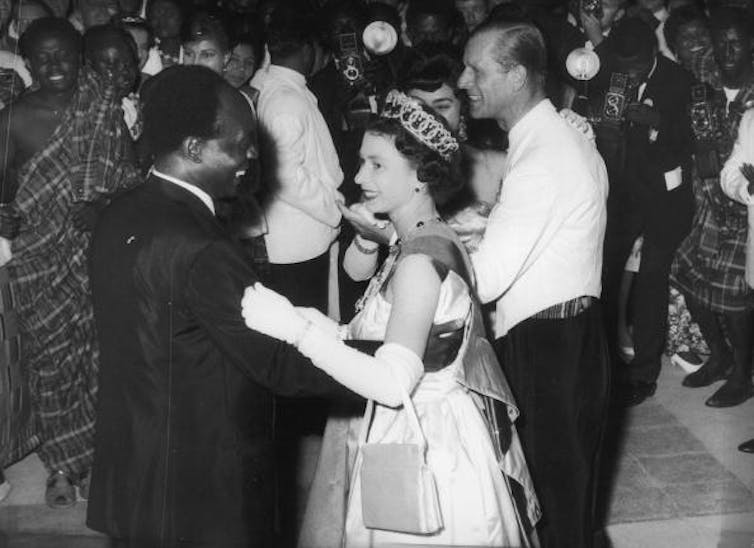
Queen Elizabeth II dances with Ghanaian president Kwame Nkrumah in 1961 at a ball held at State House, Accra. Photo by Central Press/Getty Images

Historians dismiss this as rubbish. Yet this does not mean that the dance was without its wider significance.

Back in 1948, the British government had sought to stand in the way of the marriage of Seretse Khama, then a student in Britain, to a white British woman, Ruth Williams.

Establishment horror of interracial marriage was backed by a visceral fear of offending South Africa, where the white electorate had backed the election of a National Party government and opted for a programme of greater racial separation and apartheid.

Yet by 1961, the queen was visibly demonstrating that such blatant racism was no longer acceptable and that she did not shrink from the close touch of black-on-white skin.

The Commonwealth

Politicians came and went during the queen’s long reign, but she remained a constant as head of the Commonwealth. Its foundations rested on the British government’s grant of self-rule to the white “dominions”, confirmed with the passage of the Statute of Westminister in 1931.

Yet it was not until the period after the second world war that there was any thought in London that black Africans were capable of running their own governments. However, once the British had decided that Africans could stand on their own feet (a convenient realisation which coincided with British self-interest), African governments were invited to join the Commonwealth, which had expanded to include India and Pakistan in 1947.

It is widely acknowledged that Queen Elizabeth played an important role in holding what was (and remains) a highly disparate organisation together through many disputes.

The most important differences revolved around the issue of race, or more specifically, the continuance of white rule in the southern part of the African continent.

Here the queen’s warm personal relations with key leaders, notably Julius Nyerere of Tanzania and Kenneth Kaunda of Zambia, served to contain African states’ differences with Britain over its policies towards Ian Smith’s Rhodesia and apartheid South Africa.

What accounts there are suggest that she was quietly supportive of the pressure that African Commonwealth leaders exerted on Margaret Thatcher to maintain sanctions on South Africa during the crises of apartheid in the later 1980s.

Indeed, it is thought that Thatcher was perhaps her least favourite among the 14 British prime ministers who served under her.

Subsequently, there is every evidence that she delighted in meeting Nelson Mandela, the one political leader who ignored royal protocol by simply greeting her by her Christian name whenever he met her, and she took no offence.

But then Nelson Mandela was as monarchical as Queen Elizabeth herself.

Uncertain future

Queen Elizabeth’s background role in keeping the Commonwealth together during many fractious disputes about race raises the question about what will happen to the body now that she has gone.

Many observers argue that the Commonwealth is increasingly a political irrelevance in a constantly changing world. Furthermore, there is talk that if it continues to exist, the British monarch should not necessarily stay on as its head, and that the post should rotate among the membership. Meanwhile, it is likely that some countries that have retained the monarch as head of state will dissolve their formal relationship with the British crown.

Despite such currents, the Commonwealth seems destined to stay for the foreseeable future. Indeed, it is becoming even more inclusive, having been recently joined by states such as Mozambique and Rwanda which were never ruled by Britain as part of the Empire. They are doing this because they see advantage to themselves in terms of trade, aid and investment.

It remains to be seen whether King Charles III can emulate his mother in helping to keep the Commonwealth together. Yet the signs are there that he holds views that are more progressive, notably on tackling climate change, than the wearying succession of Conservative governments which are ruling contemporary Britain.

Hopefully he will receive a positive reception from African governments, which – ironically in this post-imperial age – are more likely to attach importance to the Commonwealth than Britain itself.

Roger Southall, Professor of Sociology, University of the Witwatersrand

This article is republished from The Conversation under a Creative Commons license. Read the original article.

Find out more at: https://bit.ly/3xJlZ49

Follow South Africans UK on Facebook and Instagram.

Join the South African UK map and subscribe to our newsletter.
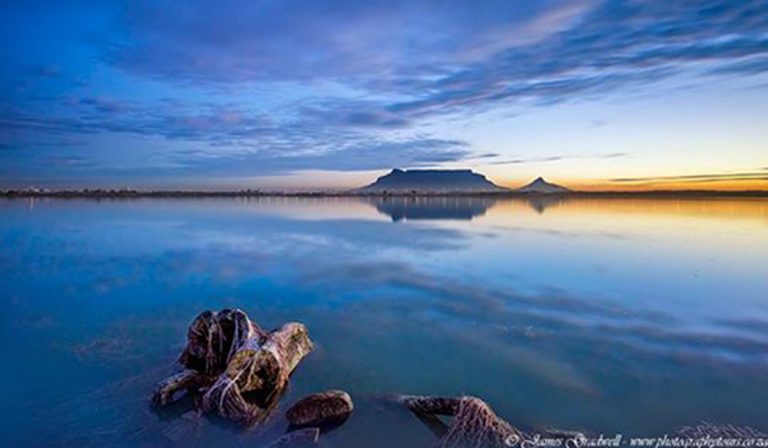
10 Amazing Shots of Table Mountain

0

Our top 10 photos of the majestic Table Mountain.

Table Mountain Flamingo Vlei
Pic: Chris Schofield – F11 Photography
Table Mountain Dolphin Beach
Photographer unknown.
Table Mountain Table View Beach
Photographer unknown.
Table Mountain Kite Beach
Pic: Steven Morrow Photography.
Table Mountain Robbie Aspeling
Pic: Robbie Aspeling
Table Mountain James Gradwell
Pic: James Gradwell
Table Mountain James Gradwell
Pic: James Gradwell
Table Mountain Table View Drone
Pic: Hjalmar Reitz
Table Mountain Faried Swartz
Pic: Faried Swartz
table mountain Lagoon beach
Pic: Duncan Hoole

Braai Fellas – South African Soul Food

Three South African friends living in the UK had the same passion and longing for traditional South African food, they combined their foodie skills together and Braai Fellas was born.

Based in Cobham, Braai Fellas cater for events in and around Surrey. Whether you want someone to cook for you on-site or to deliver prepared food to your event, you are guaranteed a uniquely South African culinary experience.

The menu is filled with delicious braai and catering dishes, refreshing salads and mouth-watering desserts, each with a distinctive South African flavour to suit all tastes and occasions.

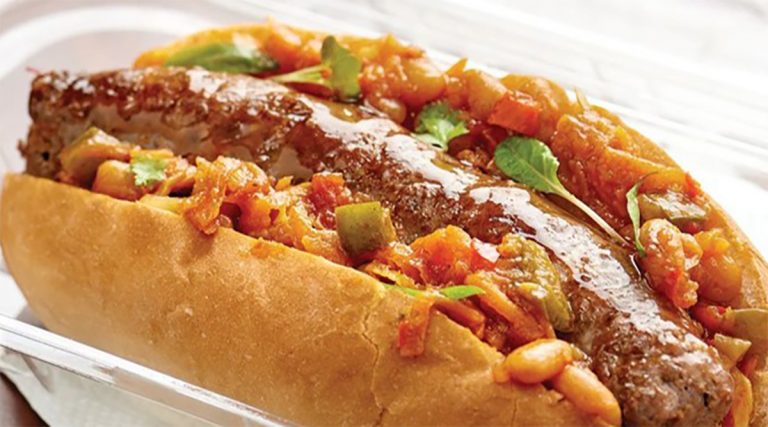
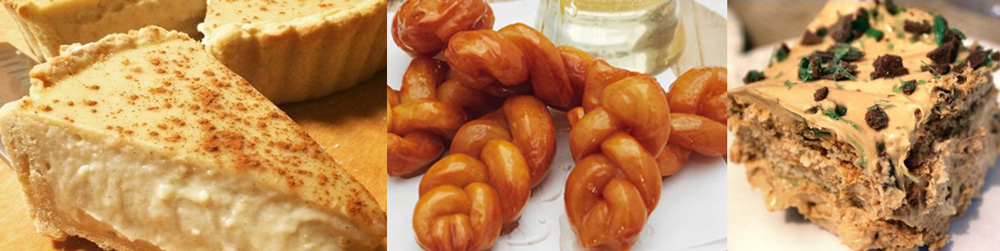
Create your own bespoke South African menu for your event. Choose from popular dishes like boerewors rolls, bunny chow, bobotie, traditional potato salad, three bean salad, coleslaw, carrot salad and a selection of mouth-watering desserts like koeksisters, melktert and peppermint crisp. Whatever your taste we will create a menu just for you and your event.

Enjoy the friendly South African hospitality and combined culinary skills of Mark, Petro & Arie.

Please contact Mark on 077 897 55504 or email braaifellas1@gmail.com to discuss your menu and Braai Fellas will provide a quote for your catering event.

Braai Fellas cater for vegetarians and offer gluten-free options.

Visit the website for more information https://braaifellas.com/

Join the South Africans UK Google Map, and subscribe to the SAUK newsletter.

Follow South Africans UK on Facebook and Instagram.

The History of Twickenham – The Home of England Rugby

0

Since the early twentieth century Twickenham Stadium (often referred to simply as “Twickenham”) – the world’s largest rugby specific stadium – has been synonymous with the England Rugby team.

The Rugby Football Union (RFU) purchased a 10 ¼ acre patch of land in Twickenham in 1907 for just under £6,000. The land was affectionately known as “Billy Williams’ cabbage patch” in honour of the RFU committee member who was largely responsible for its purchase. The famous Twickenham pub The Cabbage Patch is still a popular stop for rugby fans on matchdays.

The first recorded game at Twickenham took place in October 1909 as Harlequins (who now play across the road at the Twickenham Stoop) played local rivals Richmond. The first recorded international at Twickenham was between England and old rivals Wales on 15 January 1910 in front of a then capacity crowd of 20,000 spectators.

During the First and Second World Wars, the stadium took on a different purpose housing cattle and horses, dormitories, and an allotment to help with the war effort.

Twickenham underwent a series of developments and expansions in the 1950s-60s as the popularity of the game and the venue increased. In 1981 Sir Henry Munro opened the new South Stand of the stadium which included a new banqueting suite called The Rose Room in Twickenham’s first venture into hospitality.

In 2004 the stadium began working with current partner Keith Prowse, the UK’s leading provider of corporate hospitality at sporting events.

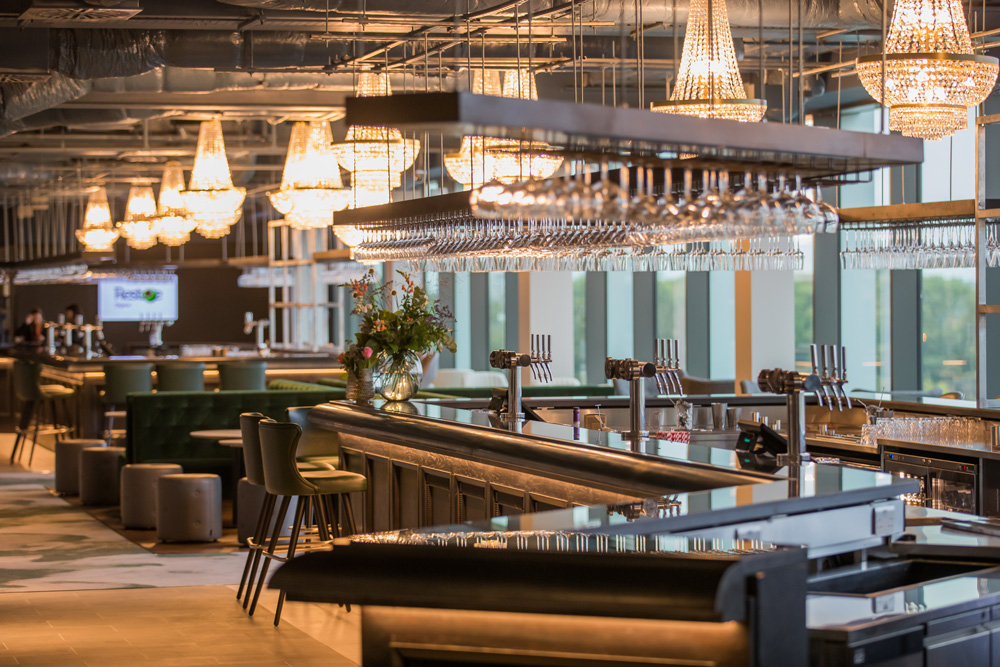
Between them, they took rugby hospitality to the next level when the stadium opened its new facilities in the renovated East Stand in November 2018 for the opening Autumn Internationals match against the Springboks. The East Wing is the jewel in the crown of Twickenham’s hospitality offering, with excellent décor, food provided by Michelin star chefs and much more. The Gate is the stadium’s in-house chop house style restaurant which also boasts fantastic views of the pitch. Meanwhile The Lock is a stylish restaurant serving classic English food with a contemporary twist. Whilst the British Airways Rose Garden is an atmospheric traditional rugby clubhouse bar with live music.

More history will be made on Saturday, 26 November when England host the Springboks in the final game of the Autumn Nations Series. Why don’t you treat yourself, your friends and family or clients to one of Keith Prowse’s famous hospitality experiences at the match? To find out more visit the Keith Prowse website.

Join the South Africans UK Google Map, and subscribe to the SAUK newsletter.

Follow South Africans UK on Facebook and Instagram.

2022 London Boat Party

0

Summer is in London, so it is time for the best jol, the South Africans Boat Party on the Thames River. Join a bunch of fun loving South Africans for a 3 hour party cruise on the Thames followed by a gathering at a local pub/club for the Ultimate South African After Party.

Space on the boat will be limited, once we have reached capacity you will not be able to join the boat party, and will only be able to join the After Party. Please don’t leave booking your tickets till the last minute, in the past we have had people begging to get on the cruise, but as mentioned before, the boat has a limited capacity.

Drinks will be available for purchase on the boat, and then FREE ENTRY and GREAT DRINK SPECIALS at the Redback bar in Fulham.

Please pre-order your Boerewors rolls online, we will have only a few available for cash purchase. Boeries will be served at the After Party at the Redback Bar in Fulham.


Food and drinks are getting sweeter. Even if it’s not all sugar, it’s bad for our health

Cherie Russell, Deakin University; Carley Grimes, Deakin University; Mark Lawrence, Deakin University; Phillip Baker, Deakin University, and Rebecca Lindberg, Deakin University

Humans have an evolutionary preference for sweetness. Sweet foods, like fruit and honey, were an important energy source for our ancestors.

However, in the modern world, sweetened foods are readily available, very cheap and advertised extensively. Now, we are consuming too much sugar in foods and drinks – the kind that is added rather than sugar that is naturally occurring. Consuming too much added sugar is bad news for health. It is linked to obesity, type 2 diabetes and tooth decay.

Because of these health concerns, manufacturers started using non-nutritive sweeteners to sweeten food as well. These sweeteners contain little to no kilojoules and include both artificial sweeteners, such as aspartame, and those that come from natural sources, such as stevia.

Our research, published today, shows the amount of added sugars and non-nutritive sweeteners in packaged foods and drinks has grown a lot over the last decade. This is especially true in middle-income countries, such as China and India, as well as in the Asia Pacific, including Australia.

From lollies to biscuits to drinks

Using market sales data from around the globe, we looked at the quantity of added sugar and non-nutritive sweeteners sold in packaged foods and drinks from 2007 to 2019.

We found per person volumes of non-nutritive sweeteners in drinks is now 36% higher globally. Added sugars in packaged food is 9% higher.

Non-nutritive sweeteners are most commonly added to confectionery. Ice creams and sweet biscuits are the fastest-growing food categories in terms of these sweeteners. The expanding use of added sugars and other sweeteners over the last decade means, overall, our packaged food supply is getting sweeter.

Our analysis shows the amount of added sugar used to sweeten drinks has increased globally. However, this is largely explained by a 50% increase in middle-income countries, such as China and India. Use has decreased in high-income countries, such as Australia and the United States.

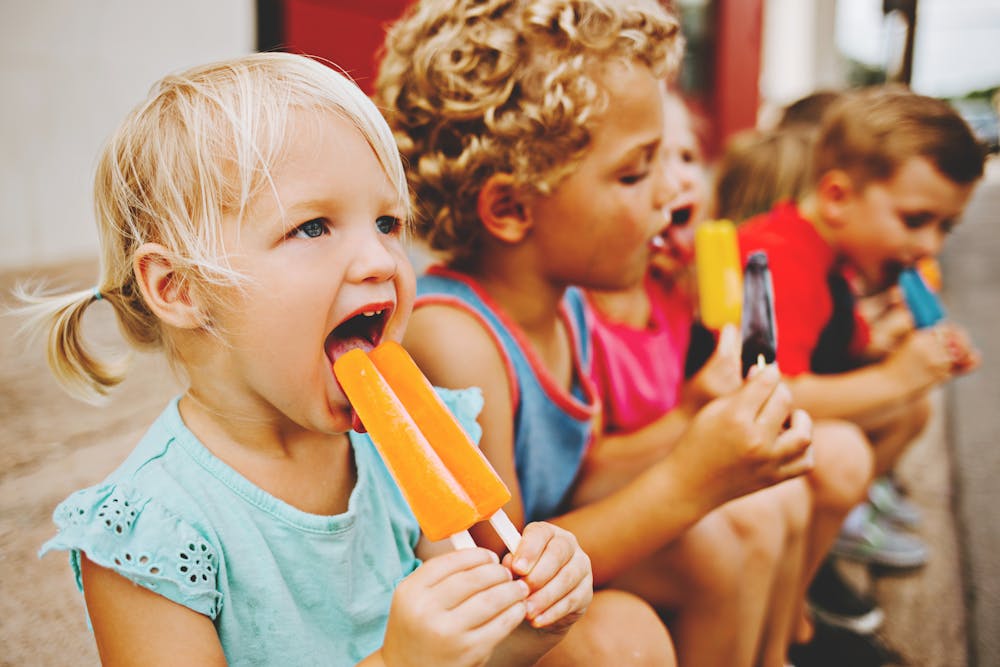
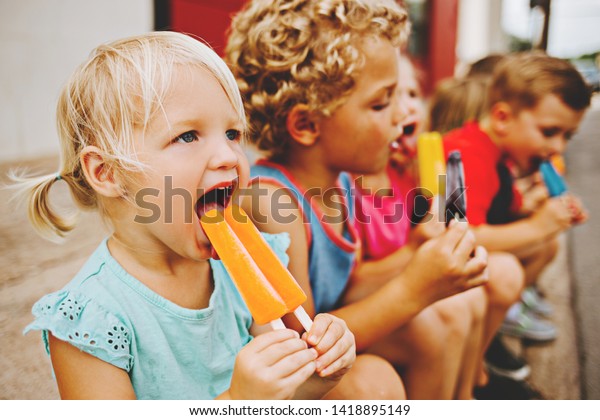
group of kids eat icypoles
Icecreams are among the foods increasing in sweetness the fastest. Shutterstock

It is recommended men consume less than nine teaspoons of sugar a day, while women should have less than six. However, because sugar is added to so many foods and drinks, over half of Australians exceed recommendations, eating an average of 14 teaspoons a day.

The shift from using added sugar to sweeteners to sweeten drinks is most common in carbonated soft drinks and bottled water. The World Health Organization is developing guidelines on the use of non-sugar sweeteners.

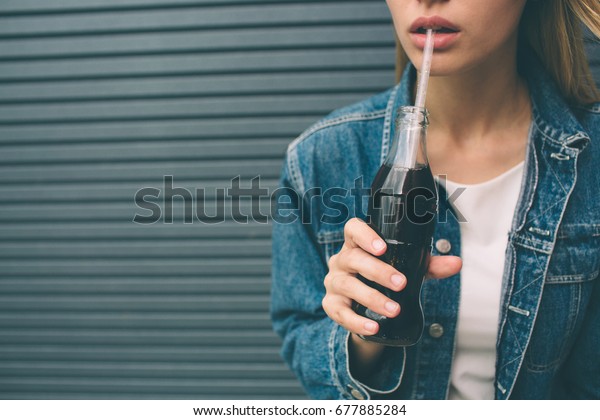
girls with soda bottle drinks through straw
Drinks labelled ‘sugar-free’ might seem healthier, even if they’re not. Shutterstock

Rich and poor countries

There is a difference in added sugar and sweetener use between richer and poorer countries. The market for packaged food and beverages in high-income countries has become saturated. To continue to grow, large food and beverage corporations are expanding into middle-income countries.

Our findings demonstrate a double standard in the sweetening of the food supply, with manufacturers providing less sweet, “healthier” products in richer countries.

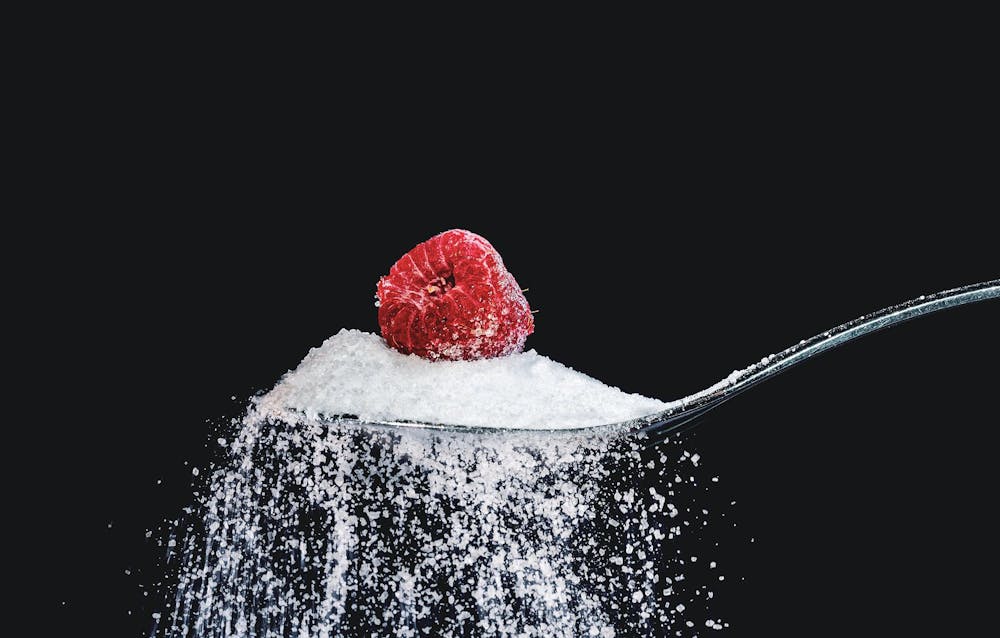
spoonful of sugar with raspberry on top
Added sugar is bad but rules to cut it out can have unintended consequences. Unsplash/Myriam Zilles, CC BY

Unexpected consequences of control

To reduce the health harms of high added sugar intakes, many governments have acted to curb their use and consumption. Sugar levies, education campaigns, advertising restrictions and labelling are among these measures.

But such actions can encourage manufacturers to partially or completely substitute sugar with non-nutritive sweeteners to avoid penalties or cater to evolving population preferences.

In our study, we found regions with a higher number of policy actions to reduce sugar intakes had a significant increase in non-nutritive sweeteners sold in drinks.

Why is this a problem

While the harms of consuming too much added sugar are well known, relying on non-nutritive sweeteners as a solution also carries risk. Despite their lack of dietary energy, recent reviews, suggest consuming non-nutritive sweeteners may be linked with type 2 diabetes and heart disease and can disrupt the gut microbiome.

And because they are sweet, ingesting non-nutritive sweeteners influences our palates and encourages us to want more sweet food. This is of particular concern for children, who are still developing their lifelong taste preferences. Additionally, certain non-nutritive sweeteners are considered environmental contaminants and are not effectively removed from wastewater.

Non-nutritive sweeteners are only found in ultra-processed foods. These foods are industrially made, contain ingredients you would not find in a home kitchen, and are designed to be “hyper-palatable”. Eating more ultra-processed foods is linked with more heart disease, type 2 diabetes, cancer and death.

Ultra-processed foods are also environmentally harmful because they use significant resources such as energy, water, packaging materials and plastic waste.

Foods that contain sweeteners can receive a “health halo” if they don’t contain sugar, misleading the public and potentially displacing nutritious, whole foods in the diet.

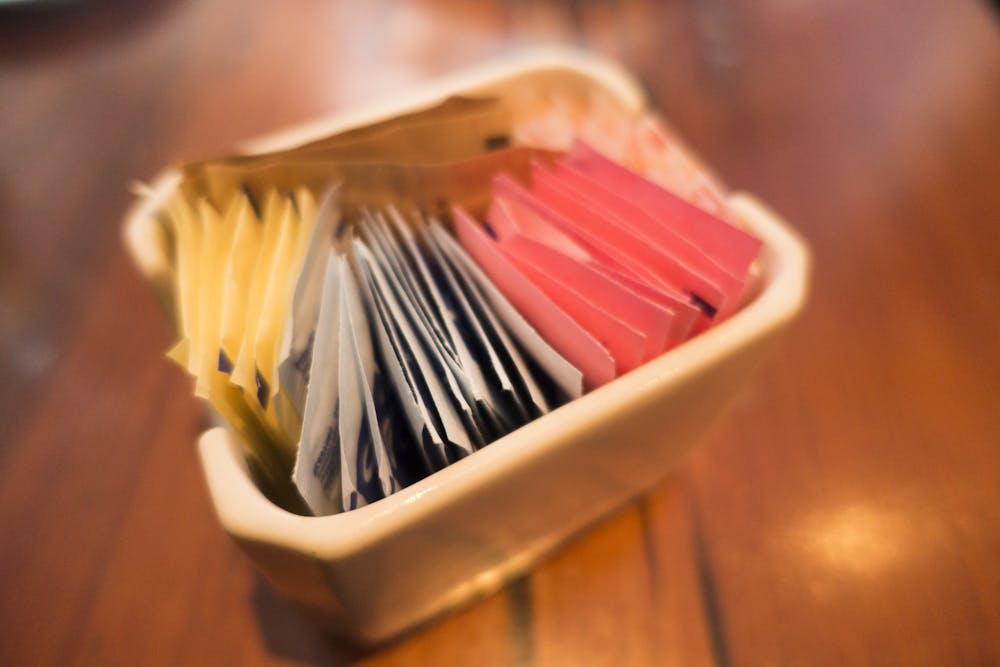
sugar and sweetener sachets
Non-nutritive sweeteners can include those from artificial and natural sources. Shutterstock

Focus on nutrition

When making policy to improve public health nutrition, it is important to consider unintended consequences. Rather than focusing on specific nutrients, there is merit in advocating for policy that considers the broader aspects of food, including cultural importance, level of processing and environmental impacts. Such policy should promote nutritious, minimally processed foods.

We need to closely monitor the increasing sweetness of food and drinks and the growing use of added sugars and non-nutritive sweeteners. It is likely to shape our future taste preferences, food choices and human and planetary health.

Cherie Russell, PhD Candidate, Deakin University; Carley Grimes, Senior Lecturer Population Nutrition, Deakin University; Mark Lawrence, Professor of Public Health Nutrition, Institute for Physical Activity and Nutrition, Deakin University; Phillip Baker, Research Fellow, Institute for Physical Activity and Nutrition, Deakin University, Deakin University, and Rebecca Lindberg, Postdoctoral research fellow, Deakin University

This article is republished from The Conversation under a Creative Commons license. Read the original article.

Join the South Africans UK Google Map, and subscribe to the SAUK newsletter.

Follow South Africans UK on Facebook and Instagram.

Find out more at: https://bit.ly/3xJlZ49

Follow South Africans UK on Facebook and Instagram.

Join the South African UK map and subscribe to our newsletter.

The Koeberg nuclear plant life extension

0

Hartmut Winkler, University of Johannesburg

South Africa’s only nuclear power plant, Koeberg, has frequently been in the news in 2022, all for the wrong reasons.

Its operating licence expires in 2024, and its continued operation thereafter depends on critical refurbishments and upgrades. Work on these finally began in January this year, but immediately ran into difficulties, forcing significant delays.

Koeberg is supplying only half of its power while work is in progress. This has amplified the crippling power shortages South Africa has been experiencing. This state of affairs, where the country effectively has 3% less generating power available than it would otherwise have, is expected to persist for the bulk of the next two years.

Other potential signs of turbulence linked to Koeberg include:

  • the delayed application to the nuclear regulator to extend the plant’s licence
  • the controversial dismissal of one of the regulator’s board members – an opponent of nuclear power – by the Minister of Mineral and Energy Resources
  • resignations of senior Koeberg staff, though there is no evidence that these were due to friction.

All of this has led to speculation that the Koeberg life extension exercise is in difficulty. In turn it casts doubt on the capacity of South Africa’s nuclear sector, and is likely to put to bed the highly ambitious proposals still advocated within the sector to build new nuclear plants.

Koeberg’s history

Koeberg, Africa’s only operational nuclear power station, 27km north of the Cape Town city centre, is reaching the end of its scheduled life cycle.

The plant consists of two units of just over 900 megawatts each, and together these contribute roughly 5% of South Africa’s electricity.

Koeberg was built by the French company Framatome between 1978 and 1984. In line with international practice, the plant was granted a 40-year operational licence which will expire in July 2024. Licensing the plant for a further 20 years is possible, as long as it meets specific safety criteria. Typically these involve particular upgrades and the replacement of various components.

So far the plant has operated reasonably safely, with only comparatively minor incidents recorded.

Some civil society groups have called for the closure of Koeberg when its current licence expires in 2024. South Africa’s extreme electricity crisis would make such a closure very difficult to absorb. While the construction of new nuclear plants is prohibitively expensive and very time intensive, extending the life span of an existing plant is in principle achievable in the short term and financially defensible.

The extension of the lifespan of Koeberg was also envisaged in the government endorsed 2019 Integrated Resource Plan for electricity.

Nuclear activities in South Africa are controlled by the National Nuclear Regulator. The regulator is expected to be guided by recommendations drawn up by experts commissioned by the International Atomic Energy Agency who inspected Koeberg in 2019. These recommendations include technical interventions for operating the plant safely for another 20 years. The most significant of these is the replacement of steam generators.

The upgrade is projected to cost R20 billion (US$1.2 billion). Most of this would go towards buying and installing six new steam generators.

The need to replace them was identified over 10 years ago, but protracted litigation over who would do the job held up the project. The operation was eventually scheduled for 2022.

Life extension project

The replacements and upgrades needed to secure a 20 year operating licence extension require each Koeberg unit to be shut down for a projected five months. Unit 2 was therefore switched off on 18 January 2022 and was supposed to reopen in June 2022. Unit 1 was then to go through the same process, starting in October.

Things then went wrong. The critical steam generator replacement was again postponed to 2023. The full reasons have not been officially disclosed. But there has been no denial of reports that the onsite storage facilities for the now radioactively contaminated old steam generators were not ready.

The delay in getting Koeberg Unit 2 up and running on schedule resulted in an additional 900 MW shortfall during South Africa’s most recent midwinter bout of severe power blackouts.

Unit 2 finally started operating again on 7 August, almost two months later than projected. Another outage of comparable duration is still required in 2023.

Significance for the nuclear sector

The mishandling of the Koeberg life extension project raises serious questions about the capacity of South Africa’s nuclear sector. This sector has advocated the building of a large fleet of new nuclear plants, implying that it could be done without major cost and time overruns. But the much smaller and far more straightforward Koeberg upgrade has not gone well.

South Africa should drop any ambitions for new nuclear plants. The nuclear sector should instead focus on its more modest target, namely to complete the Koeberg upgrade, run the plant for another 20 years and then complete the potentially problematic decommissioning.

Hartmut Winkler, Professor of Physics, University of Johannesburg

This article is republished from The Conversation under a Creative Commons license. Read the original article.

Pic: South Africa’s Koeberg nuclear power station. Stuart Apsey/Getty Images

Join the South Africans UK Google Map, and subscribe to the SAUK newsletter.

Follow South Africans UK on Facebook and Instagram.

SAFFA braai & camping weekend (Cancelled)

0
Due to the tremendous success of our last few get-togethers, and the wonderful people who helped make it a great success, we have decided to put on another hoorah before the dark, cold winter months.
Please join us for the weekend camping, or on Saturday bring & braai. On Saturday we normally ‘klap saam’ and share alike by laying out a communal table spread.
As previously, everyone is required to book their pitch or day visit through the park. Please ensure you let them know you are with Nico’s or the SAFFA group, and please confirm via event page or WhatsApp group that you have booked.
It would be great if you could let us know how many adults/children you booked for and whether you will be in a caravan, motorhome or tent please. This will help with understanding numbers and with planning.
Thriftwood bookings – Emma on 01732 822261

WATCH: Brad Binder sets new lap time at Kyalami

0

Brad Binder is a two-time MotoGP race winner and the first South African to ever win in the premier class. Now he has also become the first rider in 30-years to set a benchmark lap time around Kyalami Grand Prix Circuit, a track that lies north of Johannesburg and just an hour from Binder’s hometown of Krugersdorp.

Watch this comical video produced by Red Bull including a training session with Jason Goliath and Siya Kolisi. The time to beat is 1.45.

Join the South Africans UK Google Map, and subscribe to the SAUK newsletter.

Follow South Africans UK on Facebook and Instagram.

Find out more at: https://bit.ly/3xJlZ49

Follow South Africans UK on Facebook and Instagram.

Join the South African UK map and subscribe to our newsletter.

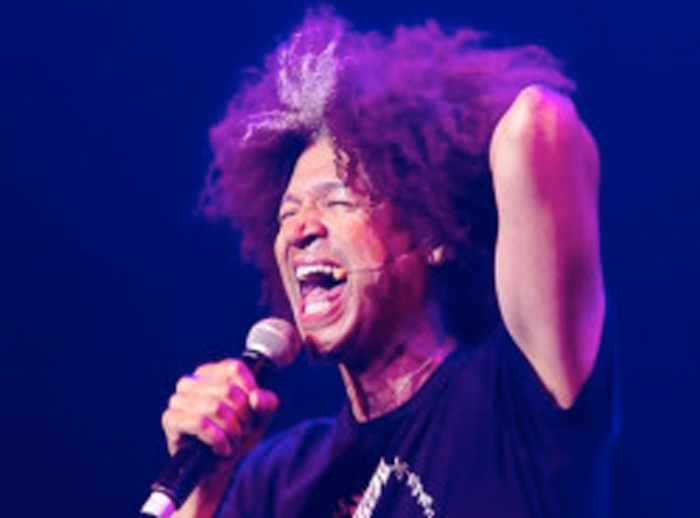
Marc Lottering Live in London

0

Marc Lottering will be in London on the 3rd September for one night only. Our SA comedian, bringing some Cape Town flavour to London. Be sure to get your tickets for a fun night out and a little taste of home. We could all use a good laugh in support of a fellow South African.

Marc Lottering is one of South Africa’s top stand-up comedians. Marc hails from Cape Town, and has been in the funny business for more than 20 years.
He is excited to visit London with his current show UNCLE MARC. At 54, this Uncle is determined to stay sexy, at any cost. Lottering is a hit with SA ex pats all over the globe.

Lottering has also written 2 hit musicals and is the recipient of several theatre awards.

Tickets are limited.