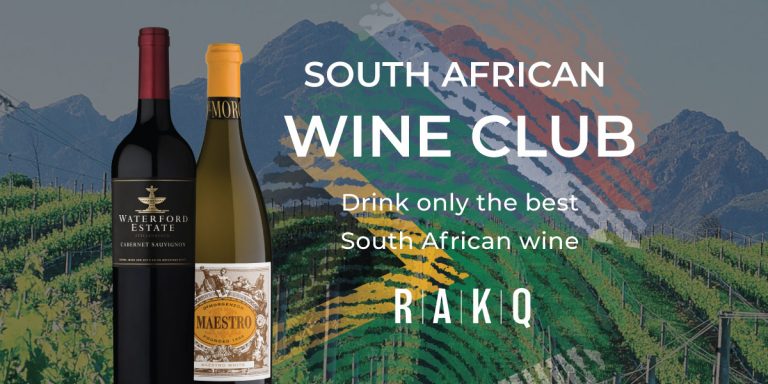
UK based South African wine specialist RAKQ has marked another milestone in its mission to champion premium wines from the Cape with the launch of its new SA Wine Club.
Members of the Premium Club and higher-end Connoisseur Club can choose to receive their six-bottle instalments monthly, bi-monthly or quarterly. They will also benefit from discounts across RAKQ’s online wine shop as well as special access to limited edition releases, events and wine information packs.
“As SA expats, we have an intimate knowledge of the Cape wine scene.”, RAKQ Director Matthew Appelbaum said. “We firmly believe that South Africa is not only making some of the world’s finest wines but that these wines offer unparalleled value for money. We are excited to start sharing our favourite wines, along with informative videos and booklets, through our newly launched Wine Club.’
Winemaking in SA dates back to the 1600s and includes a golden age in the 19th century that saw the Cape producing Napoleon Bonaparte’s favourite wine. Yet, fast-forward to modern times, and the last 20 years are looked upon as something of a renaissance by many in the industry. Post-apartheid, when trade sanctions were lifted in the early 90s, established winemakers emerged onto the world stage with new wines, wineries and even wine regions. Supported by investment and driven by a new generation of winemakers, there has been an extraordinary leap in the quality of South African wine.
RAKQ was founded in 2020 based on the firm belief that the impressive quality and value of South African wine deserves better representation in the UK wine market. With the country’s winemakers and wine farms struggling through the pandemic and the resulting bans on alcohol, that representation could not have been more timely.
Today, RAKQ aims to share only the finest South African wines and showcase the large variety of wine styles that are produced thanks to the wealth of diversity in South Africa’s winelands.
Sign up here to begin your journey with RAKQ’s South African Wine Club. New members will receive a gift of a free bottle plus a Magnum, collectively worth £50.
Matthew Mole is set to take on a massive tour of Europe in 2022. Kicking the show off in Bristol in April he goes on to play Manchester, Glasgow, London and Brighton.
His tour then heads to Paris, Milano, Berlin and another 17 cities with the final performance in Oslo in early May 2022.
Matthew Mole is the winner of Converse’s Get Out of the Garage Competition in 2012 and the winner of the South African Music Awards record of the year 2021.
He is a diverse performer who plays ukulele, banjo, piano, organ, and drums, a truly multi-talented South African artist to be proud of.
He will be supported by Sydney-based musician Hollie Col.
There is still gardening to be done in November. Now is a great time to get your garden in shape and ready to blossom when spring arrives.
Prune – Prune the fruity ones like gooseberries, blackcurrants, apple and pear trees.
Tulips – It is the perfect time to plant tulips and other spring bulbs like daffodils.
New Fruit – November is a good time to plant soft fruit bushes such as raspberries and blackberries.
Protect – Raise patio pots on pot feet and wrap in hessian to protect against winter rains and icy conditions.
Mow – Mow the lawn, clean up all fallen leaves and tidy up shrubs and bushes.
Sow – Sow sweet peas in a cold frame of greenouse for earlier flowers next year.
Plant – Cheer up your outside spaces with winter flowering plants such as violas and cyclamens.
The Birds – Make sure the bird feeder is full of seeds like sunflower seeds. Fill the birdbath and keep it ice free so the birds can wash. This keeps them warm in icy weather.
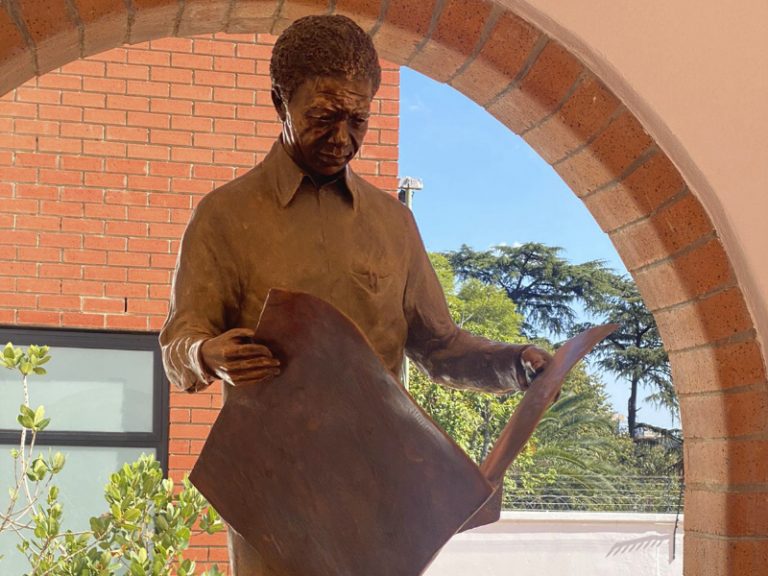
Sanctuary Mandela officially opened in September 2021. This was Mandela’s former home that has now been transformed and refurbished into a boutique hotel.
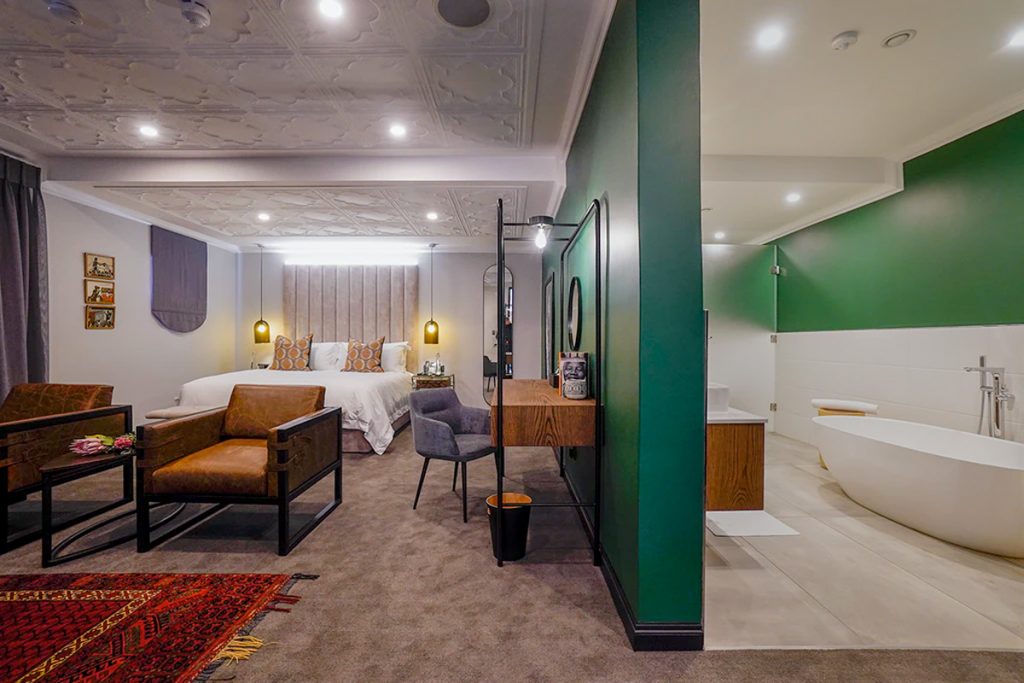
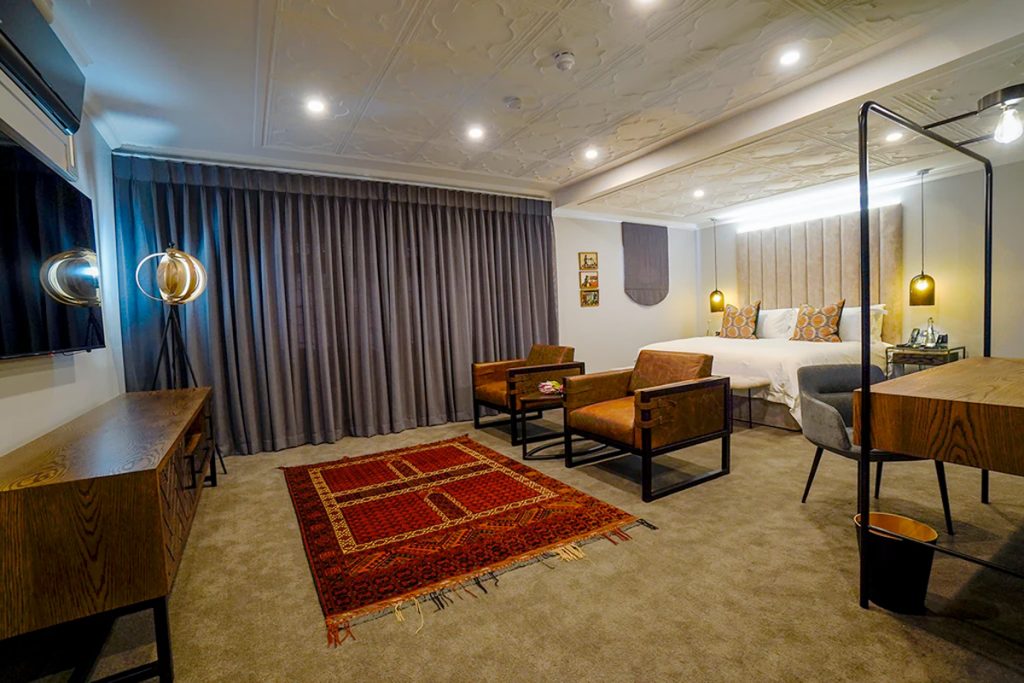
The hotel in Houghton Estate, Johannesburg boasts 9 bedrooms, 2 meeting rooms, a restaurant, bar, swimming pool, lush gardens, exhibits and retreat spaces that take you on a journey into the life and style of Madiba.
Dine on Mandela’s favourite foods such as an Oxtail pasta, created by Mandela’s former personal chef of 18 years, Xolisa Ndoyiya.
Mandela’s bedroom, the Presidential Suite will cost around £750 (R15 000) per night.
Local economic development and better municipal service delivery are vital if South Africa wants to broaden economic participation and reverse its unemployment trend.
To achieve these objectives, it is necessary to strengthen municipal finances and investment. Good municipal governance is a prerequisite. Intermediate city municipalities have an important role to play, because urban development is critical for growth and investment. It may also reduce the pressure caused by urbanisation to metros.
Municipalities should:
provide democratic and accountable governance for local communities
ensure the provision of services in a sustainable way
promote social and economic development as well as a safe and healthy environment
encourage the involvement of communities in matters of local government.
Current outcomes suggest that South Africa’s municipalities are failing in many of these respects.
The consequences for the country are dire and widespread. Municipal failure not only affects large businesses. It also has an impact on households, small, medium and micro-enterprises and other investors in local economies.
Economic growth, job creation and local economic development initiatives depend on municipal finances. They become constrained when local governments don’t function well. Households directly suffer the consequences when basic service delivery is poor. But the problems extend beyond the household level.
Municipalities need to provide the infrastructure and basic services that support a favourable investment climate. Without this investment, deepening unemployment and poverty may follow. This has the further effect of eroding the local tax base, increasing municipal dependence on fiscal transfers and worsening South Africa’s already constrained fiscal environment.
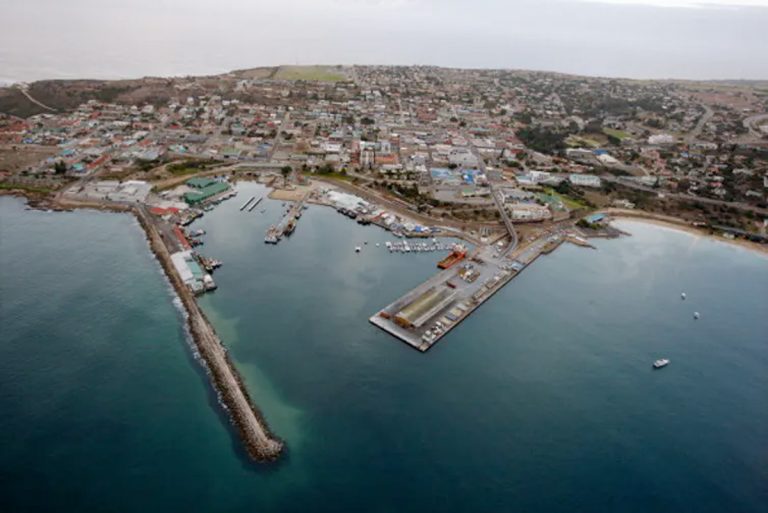
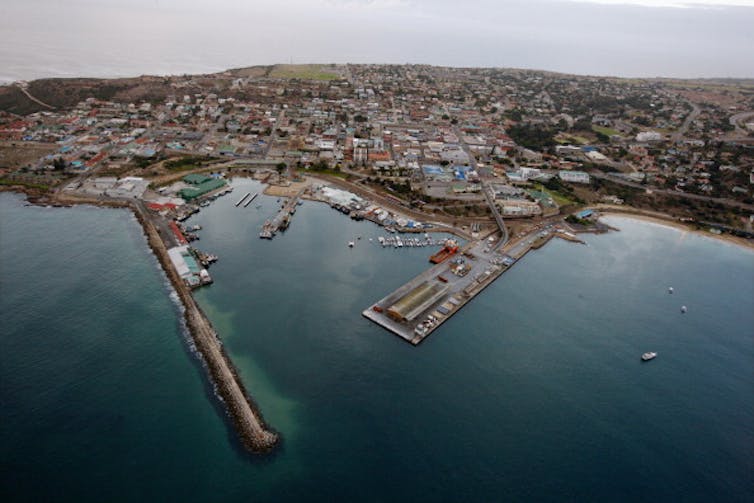
Medium-sized towns like Mossel Bay have a key role to play in South Africa’s development. Photo by Hoberman Collection/Universal Images Group via Getty Images
Ripple effects
Two examples illustrate how municipal failure can have a direct negative impact on local economic development.
The first is Clover, the food and beverage company. It has announced that it’s closing its cheese processing facility in Lichtenburg in the North West province. Production will be moved to an existing plant outside Durban in KwaZulu-Natal.
The company attributed the decision to ongoing problems with service delivery by the Ditsobotla Local Municipality. It specifically mentioned water and electricity outages as well as the poor quality of roads. The move is estimated to lead to 330 job losses in the Lichtenburg economy.
Another example is Astral Foods, one of South Africa’s largest poultry producers. The company owns a processing plant in Standerton in the Lekwa municipality. Astral took legal action against the municipality due to severe supply disruptions caused by disintegrating infrastructure. Power cuts and water shortages reportedly cost the company around R62 million in its latest financial year.
A court ordered the municipality to submit a long-term plan to repair and improve the infrastructure.
But this didn’t improve outcomes. Earlier this year a new court order was issued. This required national government and the treasury to intervene and prepare a financial recovery plan.
The scale of the problem
We set out to better understand the degree of municipal failure across different types of municipalities. In our research note we drew a comparison between metros, intermediate city municipalities, and other local municipalities.
The population density, potential economic activity and resource base of intermediate city municipalities suggest that good local government could unlock substantial economic opportunities in these hubs.
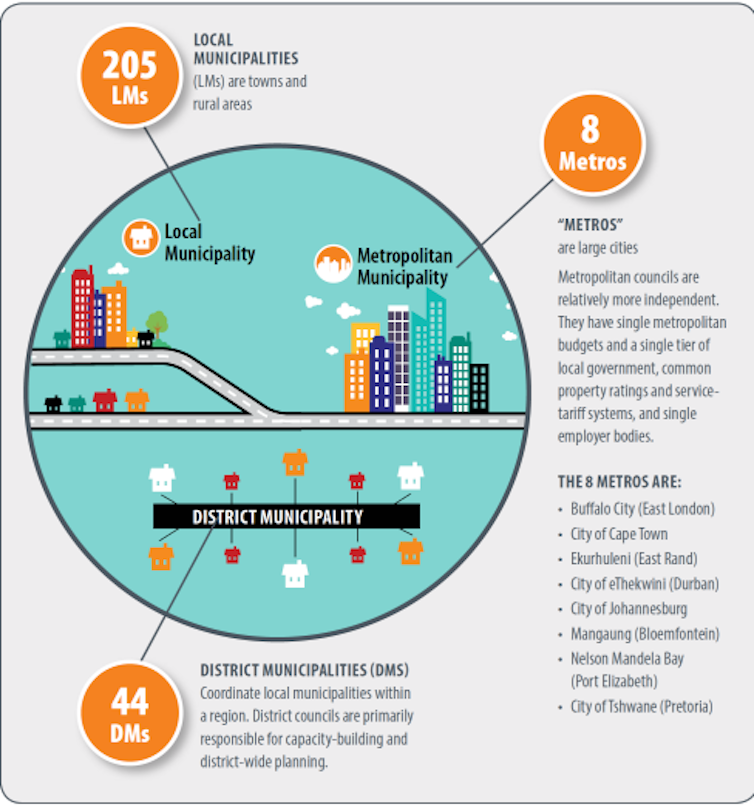
Overview of different spheres of local government. Bureau for Economic Research/The State of South African Cities, 2016
Creating economic opportunities in intermediate city municipalities may also reduce some of the service delivery pressure caused by urbanisation to metros. It may help create a less skewed spatial distribution of economic activity and opportunities.
It is important to remember that municipalities have varying blends of service delivery responsibilities across rural and urban zones. They face different opportunities in terms of access to revenue. Hence, not all face an equal set of challenges.
In addition, municipalities form part of the broader architecture of government. They are therefore interdependent on national, provincial and district government functions. They also need entities such as the power utility Eskom and the water boards to function properly. Municipalities cannot influence local economic development in isolation from these agents.
Our research note identifies several cross-cutting problems within South Africa’s local government sphere.
We look at service delivery and explain how issues in supply chain management and the audit process can cause poor or non-delivery of basic services. We also highlight some financial performance metrics that contribute to poor outcomes. Examples include low expenditure on repairs and maintenance and inadequate debt collection rates.
Finally, personnel vacancy rates are high. And there is a lack of competencies. Political influence and interference in the appointment of managers and other municipal executives contribute to the problem.
Solutions
It is important to ensure that professionals have the necessary qualifications.
It may help if municipal managers are required to register with professional bodies. What may also assist is ensuring that appointments are merit-based and made without undue political influence. This is particularly important within the administrative arm of local municipalities.
Also, a mechanism that sanctions or removes municipal officials from their positions if they are consistently underperforming might contribute to better outcomes.
Supply chain management and audit processes need to prevent fraud and corruption. But they shouldn’t hamper spending. Nor should they shift the focus away from core municipal functions. The need to find a less cumbersome supply chain management process is critical. This should have a stronger focus on strengthening financial management and responsibility for service delivery. It wouldn’t simply focus on the minutiae of compliance and post-facto audit interrogations.
The regulatory system should enhance rather than paralyse service delivery.
The complex developmental problems that South Africa faces cannot be solved with local municipalities operating in isolation.
There is a need for better management of inter-jurisdictional collaboration between the players. They include municipalities, water boards, provinces, Eskom and national departments.
Public-private partnerships may also provide valuable opportunities. These could, for example, help improve the management, expansion, maintenance and operation of select revenue-generating components of service delivery. Water, sewerage and sanitation and solid waste management come to mind.
But not all municipalities have the skills to manage such projects. Many may need technical support. These initiatives should be planned well and should not be the consequence of inadequate capacity or skills within municipalities. These considerations could contribute to better outcomes and improved service delivery.
The important developmental role that intermediate city municipalities can play in creating employment and stimulating economic growth suggest that these areas in particular should be prioritised.
The great white shark is disappearing off the coast of South Africa. This king of the ocean is just as iconic to Africa as the lion.
Pressure from fishing industries, ocean mismanagement by the government and faulty scientific data has resulted in the situation becoming quite dire for the shark.
The Last Shark documentary is researching the disappearance of the great white shark in South Africa and raising awareness to enforce change to the situation.
FollowThe Last Shark Documentary as the team investigates the cumulative anthropogenic effects causing their population decline.
Matt Bromley has been chasing big waves all over the world for years including South Africa, Hawaii, California, Indonesia and Ireland, in search of the biggest waves he can find, to take him over the edge.
“Over The Edge,” traces this Kommetjie surfers’ big-wave journey through Jaws, Teahupo’o, Mavericks, Nias, Mullaghmore, and Dungeons.
Subscribe to the Echoboom Sports channel on Amazon, Struum, Xfinity X1, Sling, or COX for full access to ad-free streaming of the largest collection of premium action sports films in the world. Start your FREE TRIAL on Amazon today!
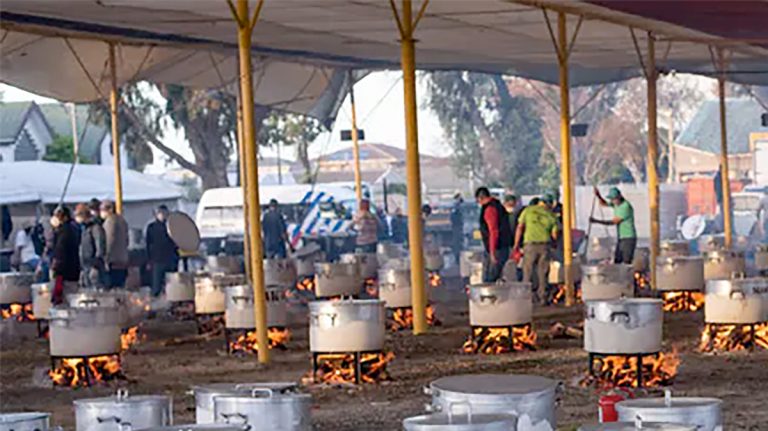
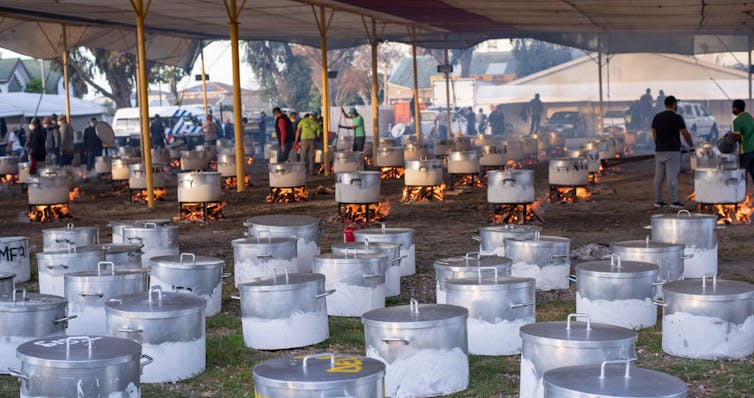
Food is prepared by a South African non-profit to feed over 87 000 people in underprivileged communities at the height of the COVID-19 pandemic in Cape Town in 2020. Photo by Brenton Geach/Gallo Images via Getty Images
In the face of South Africa’s stark inequalities it was clear that many people were likely to fall into even more desperate circumstances once the reality of COVID-19 restrictions set in. Many immediately lost jobs or saw their businesses collapse, and a host of other restrictions led to unprecedented changes in how we lived.
For the first time in the country’s democratic history, all were compelled to consider the realities of other people. These included the physical and the social. Who lived at home? Do they get along? What would the impact be of weeks in the same space without a break? Was there enough food? Did the roof leak?
Remarkably, the country mobilised. Individuals offered whatever support they could, in money, in food and in services. In every corner of the nation, communities sprang into action to take care of their most vulnerable citizens. In many ways, across the country, South Africans were stepping up to support one another in ways rarely seen.
I started recording such acts of kindness at the start of first national lockdown in April 2020. Given my longstanding commitment to students as not only consumer but producers of knowledge, I brought students onboard. As we scrambled to turn our classes online, new possibilities for practical application of theory also emerged. In this case we studied the theories of representation whilst also contributing to the perception of South Africa and Africa through a digital project.
The collection included almost 2000 submissions of remarkable acts of kindness and care between everyday people resident in South Africa during the national lockdown. Much of it – particularly during the early phases of the lockdown – demonstrated the best of who we can be as a country.
The stories range from tiny interventions such as the sharing of a WiFi password to the exceptional, like allowing strangers to live in one’s house for as long as they needed to. Each intervention shows a response to the pandemic from a unique perspective as people did what they could to help each other in extremely unusual times.
Our collective work has been published as a book of 50 stories of everyday kindness from around South Africa. They are illustrated by rising artist Jethro Longwe and curated by prominent Southern Africans involved in the pandemic response.
What we witnessed during the national lockdown was the absolute best of who South Africans can be. At a time of great challenge, they held one another up. As a scholar of post-war Angola I have learnt how valuable it is during troubled times to raise one’s gaze above what’s not working to look at what is working. Some South Africans have done so during the most trying periods of the Covid-19 pandemic.
When politicians floundered, community action networks sprung to action and distributed food parcels to those most in need. South Africans also supported essential workers.
Another lesson from the pandemic is that though the complexity of the national level is beyond most of our comprehension, we live in the micro, and that is where we can work. Through millions of small interventions, the country was held up and sustained in powerful ways that can, and should, continue long past the pandemic. Take the example of the Muizenberg Kitchen in Cape Town: it emerged as an urgent response to hunger in the community during the lockdown. Now it feeds hundreds of people every week and has become a sustainable example of community activism.
Why it matters
The project turned into a book after I realised what impact being asked to focus on everyday kindness had on my students. Many of them started the course cynical and angry about the various socioeconomic and political challenges facing South Africa. But by changing the lens through which they looked at the world around them, students reported an improvement in mental health. They became more optimistic. It also helped amplify their own acts of kindness in their day to day lives.
This book reminds us of a time that was very challenging, but in which we changed the way we act to hold each other up. It reminds us that we can do this, and that most of us want to.
Through the 50 stories that it records, we remember the basic goodness in South Africans, and our desire to support one another across all kinds of divides and barriers. We cannot afford to “un-see” the best of us. We need to trust in our fellow citizens, and amplify the good.
Listen to Pasha 127: Allergies vs rooibos: can this South African plant help sufferers?
Nasal allergy is a common problem in South Africa. It is estimated that 20% to 30% of adults in South Africa suffer with allergic rhinitis or hay fever. House dust mites and tree pollen are the most common reasons for this. Often, people have to rely on allergy medication to deal with the problem.
But new research is under way to see if a plant native to South Africa can help. Rooibos, scientifically known as Aspalathus linearis, is being explored as a treatment for nasal allergies. The studies are testing its impact by having people drink rooibos tea in specific doses and through nasal irrigation using rooibos tea.
In today’s episode of Pasha, Jonny Peter, associate professor, unit head and head of the Division of Allergology and Clinical Immunology at Groote Schuur Hospital at the University of Cape Town, discusses his latest research. He also discusses the challenges with understanding whether you have COVID-19 or are suffering from nasal allergies.
Photo: “African young woman covered with blanket blowing running nose.” By fizkes found on Shutterstock.
Music: “Happy African Village” by John Bartmann, found on FreeMusicArchive.org licensed under CC0 1.
We use cookies to optimise our website and our service.
Functional
Always active
The technical storage or access is strictly necessary for the legitimate purpose of enabling the use of a specific service explicitly requested by the subscriber or user, or for the sole purpose of carrying out the transmission of a communication over an electronic communications network.
Preferences
The technical storage or access is necessary for the legitimate purpose of storing preferences that are not requested by the subscriber or user.
Statistics
The technical storage or access that is used exclusively for statistical purposes.The technical storage or access that is used exclusively for anonymous statistical purposes. Without a subpoena, voluntary compliance on the part of your Internet Service Provider, or additional records from a third party, information stored or retrieved for this purpose alone cannot usually be used to identify you.
Marketing
The technical storage or access is required to create user profiles to send advertising, or to track the user on a website or across several websites for similar marketing purposes.